
Exploring the fascinating evolution of casinos throughout history
The Origins of Gambling
The roots of gambling can be traced back thousands of years, with evidence found in ancient civilizations such as Mesopotamia, where dice games were played as early as 3000 BC. These initial forms of gaming were often associated with rituals and social gatherings, showcasing humanity’s long-standing fascination with chance and luck. Over the centuries, the concept of gambling evolved, transitioning from simple dice games to more structured forms involving betting and odds. Today, many players enjoy unique options like payid pokies, which highlight this evolution.

The ancient Greeks and Romans also played a significant role in the evolution of gambling. They introduced games that included betting on the outcome of events, such as chariot races and gladiatorial contests. These activities laid the groundwork for the concept of wagering on competitive events, a precursor to the modern casino experience. As societies evolved, so did the venues for gambling, leading to the establishment of formal gaming houses.
The Rise of Casinos in Europe
The 17th century marked a pivotal moment in the history of casinos, particularly in Europe. The first official casino, known as the Ridotto, opened its doors in Venice in 1638. This establishment was designed to provide a controlled environment for gambling, complete with rules and regulations, which was a significant departure from the chaotic tavern games that preceded it. The Ridotto set the standard for future casinos, combining entertainment and social interaction in a structured setting.
As the popularity of gambling spread across Europe, more sophisticated venues emerged, especially in France and later in Monaco. The lavish architecture and opulence of these casinos became a key part of their allure, attracting the wealthy elite. The combination of exquisite design and luxurious amenities not only elevated the gaming experience but also established casinos as cultural landmarks, cementing their place in society.
The American Casino Boom
The 20th century ushered in a new era for casinos, particularly in the United States. The Prohibition Era in the 1920s led to the rise of underground gambling establishments, laying the groundwork for the future of legal casinos. Las Vegas emerged as the epicenter of this transformation, with the opening of the first legal casino, the Pair-O-Dice Club, in 1931. The city’s unique appeal, combined with the glamor of Hollywood, made it a magnet for both gamblers and tourists.
Throughout the latter half of the century, Las Vegas evolved into a major entertainment hub, with casinos incorporating extravagant designs and themes. Iconic structures like the Bellagio and Caesar’s Palace showcased not only gaming but also fine dining, shopping, and live entertainment. This comprehensive approach to entertainment set a new standard for casinos worldwide, influencing designs and operations far beyond the borders of the United States.
Modern Casino Innovations
Today, casinos are at the forefront of technological innovation. With the rise of online gambling in the late 1990s, the traditional casino experience underwent a significant transformation. Virtual casinos now offer players the ability to engage in games from the comfort of their own homes, introducing new dynamics to the gaming industry. This shift has prompted brick-and-mortar casinos to adapt, often integrating digital platforms to enhance customer experience.
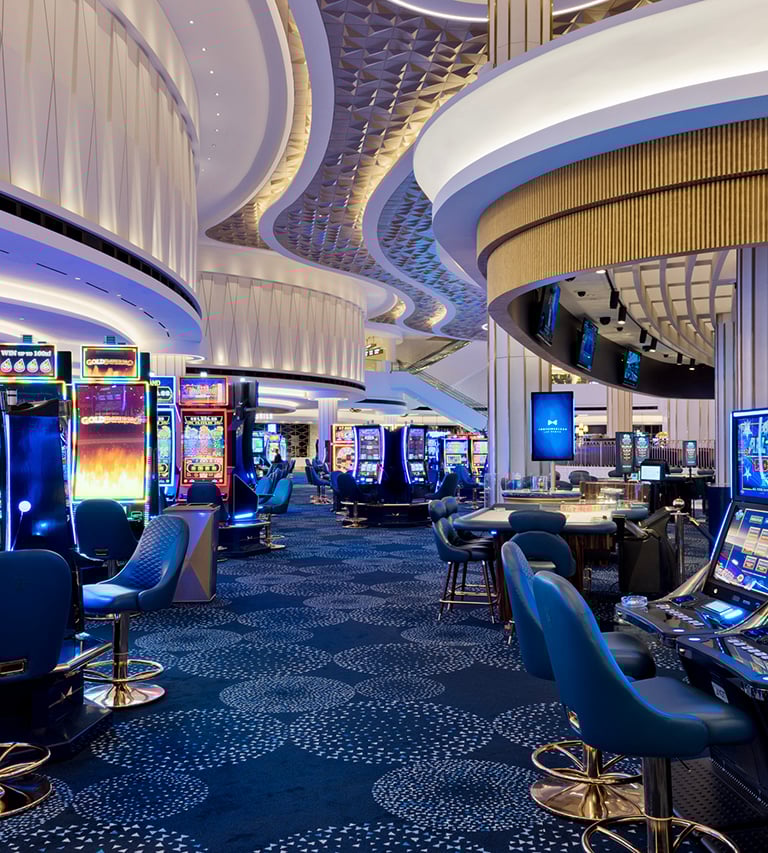
In recent years, the design of casinos has also evolved to embrace sustainability and modern aesthetics. Architects now prioritize eco-friendly materials and energy-efficient designs, reflecting a growing awareness of environmental impact. Additionally, the integration of art installations and cutting-edge technology has led to immersive experiences that captivate visitors, making modern casinos more than just places to gamble.
About Our Website
Our website is dedicated to exploring the rich history and continuous evolution of casinos around the world. We aim to provide readers with in-depth articles that delve into the architectural styles, cultural significance, and technological advancements that have shaped the casino landscape over time. By analyzing these changes, we hope to foster a deeper appreciation for the multifaceted world of gambling and entertainment.
With a commitment to quality content, our site serves as a resource for both casual readers and enthusiasts interested in the nuances of casino history and design. We invite you to explore our articles, engage with our community, and discover the fascinating stories behind the evolution of casinos throughout history.